Mauro is a Tech Lead and software engineer with 15+ years of experience building scalable systems across fintech and complex domains. His work stays close to the code: hands-on engineering, architecture, mentoring, and platform modernization.
He designs and builds AI-driven systems with LLMs, RAG, agents, AI-assisted development, and specification-driven development. His talks turn that work into practical sessions with real code, clear trade-offs, and ideas attendees can actually use.
01
From real systems
Sessions start with engineering decisions, constraints, and lessons from work that had to run beyond the demo.
02
Demonstrable by design
Code, architecture, tests, and trade-offs are part of the story—not a decorative slide at the end.
03
Useful on Monday
Attendees leave with patterns, questions, and practical ideas they can take back to their teams.
Speaking topics
The systems, practices, and decisions behind modern software.
A focused topic range grounded in Mauro's current engineering work, public projects, and technical sessions.
01Applied AI
02LLMs, RAG & AI agents
03AI-assisted development
04Specification-Driven Development
05.NET & C#
06Software architecture
07Code quality & refactoring
08Testing & engineering practices
09Developer productivity
10Mentoring & technical leadership
Talks & sessions
Real engineering stories, backed by working material.
Sessions are loaded from the portfolio's presentation data, including their original event, resources, and recordings.
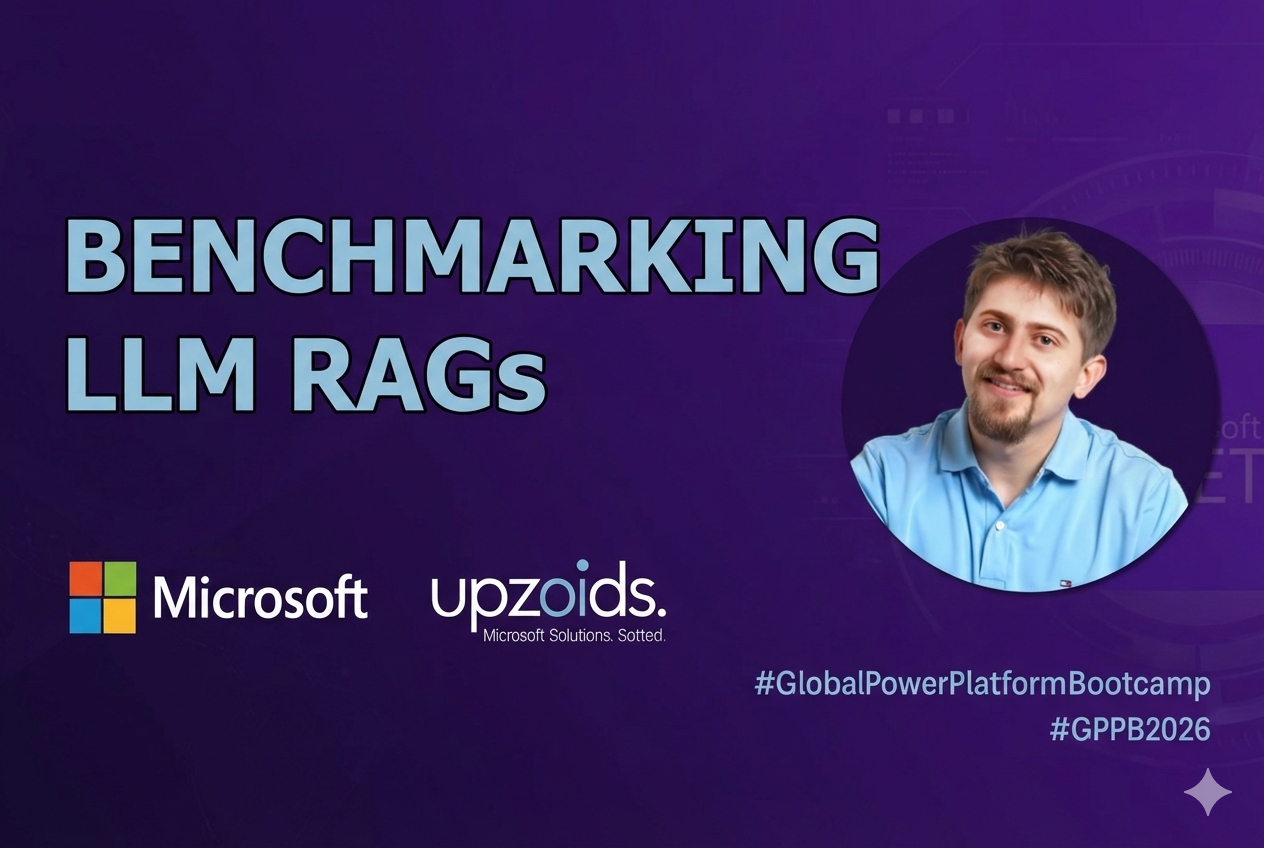
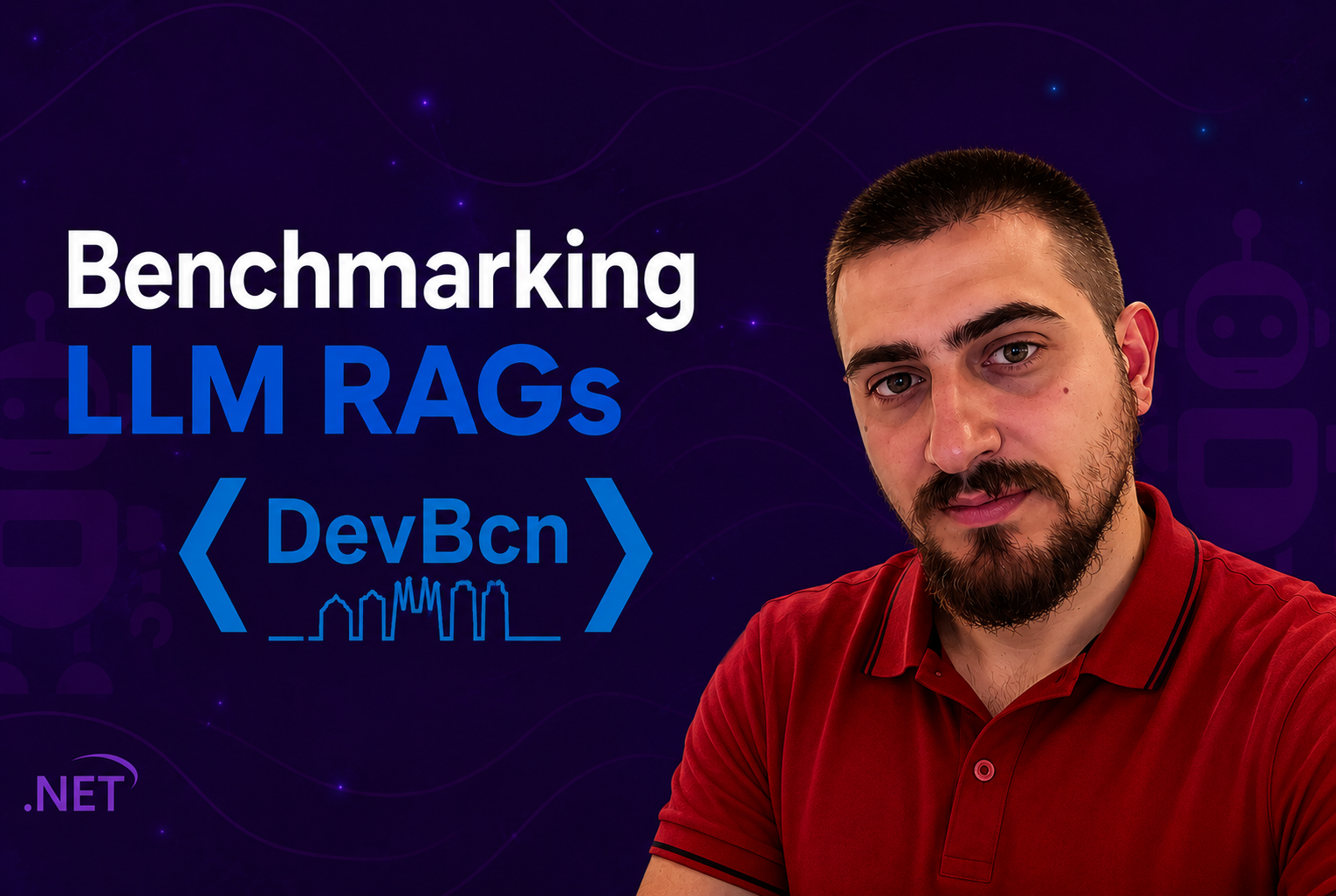
Accepted talk for DevBcn 2026 about benchmarking RAG systems through a real-world hiring use case, comparing a Python LangChain implementation with a.NET Semantic Kernel implementation. The session covers the end-to-end pipeline: dataset preprocessing, vector indexing, skill normalization, explainable responses, testing strategy, performance and latency comparison, and benchmark results from practical engineering trade-offs.
In this session, I walk through a real-world RAG (Retrieval-Augmented Generation) benchmark built for a Human Resources use case: analyzing and ranking candidates from CVs using LLMs. The same solution is implemented twice, once in Python (LangChain) and once in.NET (Semantic Kernel), using the same data, questions, and ranking logic. The goal is not to debate frameworks, but to show why retrieval design, architecture, and evaluation matter far more than the orchestration tool itself. We cover the full pipeline, from data preprocessing and vector indexing to retrieval strategies, embeddings, and automated evaluation using an LLM-as-a-Judge approach. This is a practical, demo-driven talk focused on real technical decisions, trade-offs, and lessons learned from building and comparing production-like RAG systems.
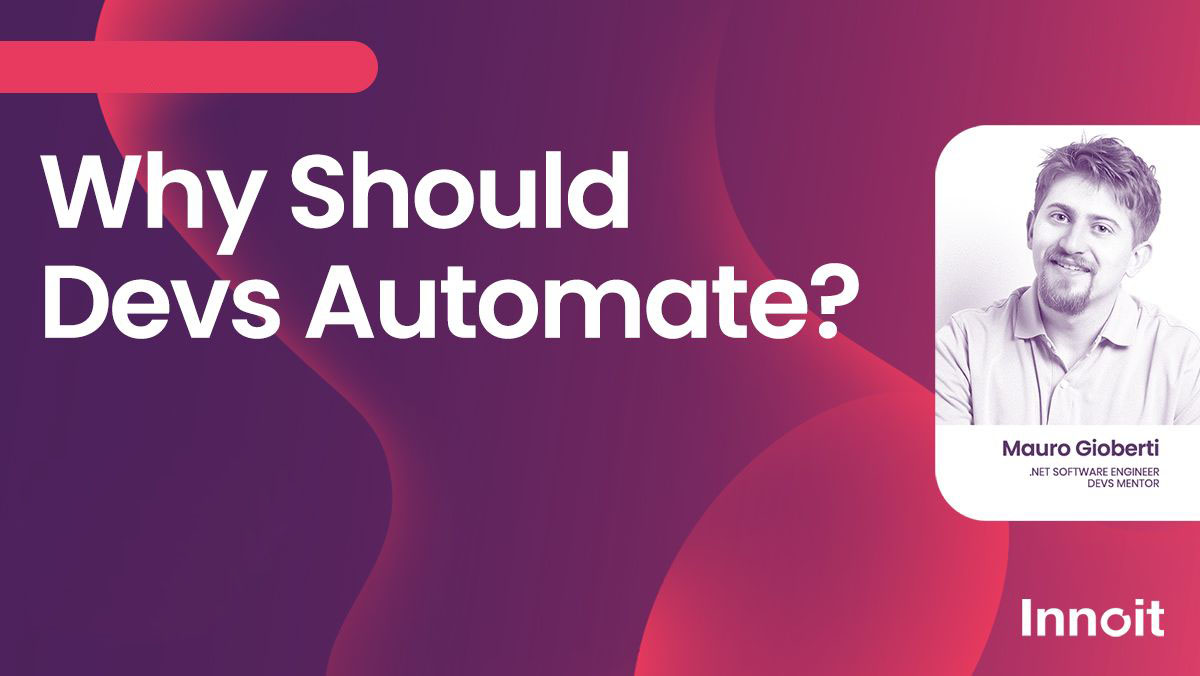
This session explores how smart automation practices from a developer's perspective can drastically reduce bugs, cut costs, and accelerate delivery before issues reach QA or production environments. Through language-agnostic concepts and real-world examples in modern architectures like microservices, database integrations, and event-driven systems. The talk demonstrates how fast, repeatable tests build confidence, improve workflows, and lead to more reliable software. Whether you're working with monoliths or distributed systems, this talk offers practical takeaways to help you automate smarter and develop with peace of mind.
Real-world examples show how spending just one extra hour automating tests after a feature can save days of bugs, frustration, and lost money later. This session dives into a.NET microservice, but the concepts apply across architectures — monoliths, desktop apps, and more. (Code is in C#, but the ideas work in any language.) It explores how developers can write E2E automated tests🤖 to validate APIs and event-driven workflows using real infrastructure. The setup spins up a microservice with Docker 🐳, connects it to a test project that runs inserts, updates, deletes, and verifies HTTP status codes, database states, and event bus triggers. This developer🧑💻-focused automation complements QA processes, catching bugs earlier, boosting confidence, and reducing back-and-forth in the delivery cycle. The result is faster⏱️ delivery🚀, fewer misunderstandings😵 between Dev and QA, and major cost savings 💸💸 by detecting issues before they reach production. A real-world solution with working code, real infrastructure, and a practical model for testing integrated systems early and effectively.
In this talk 🗣️, we explore how developers can write E2E automated tests🤖 in their own language to validate APIs and event-driven workflows using real infrastructure. We gonna spin up a microservice with Docker 🐳, connect it to a test project that runs inserts, updates, deletes, and checks responses (HTTP status codes, database state, and event bus triggers). Although we use a microservice example, this strategy applies to any type of system🤝. This developer🧑💻 focused automation doesn’t replace QA, this complements it. While QA teams may use other tools for automation, these early-stage checks help catch bugs sooner, improve developer confidence, and reduce back and forth in the delivery cycle. The result? Faster⏱️ delivery🚀, fewer misunderstandings😵 between Dev and QA, and significant cost savings 💸💸 by catching issues before they hit production. So it's a real-world solution, not a theoretical talk with working code, infrastructure, and a model for testing integrated systems early and effectively.
For conferences, meetups, podcasts, technical communities, or engineering teams, use Sessionize or send a short note with the event and audience context.

 On-site